BT
Bond Testing
Detects disbonds and voids in bonded and composite structures using ultrasonic and resonance techniques.
- Method code
- Bond testing
- Materials
- Composite and metallic bonded structures
- Product forms
- Honeycomb panels, laminates, bonded doublers
- Standards
- ASTM E2580 and manufacturer procedures
Bond testing examines the joint rather than the material, finding where a bonded or honeycomb structure has lost its attachment without any change being visible from outside.
How it works
A probe measures how the structure responds locally to being driven, which depends on the stiffness of what lies beneath it. Where the bond is intact, the skin is supported and responds one way; where it has separated, the skin is free to move and responds differently. Several modes are available, including pitch-catch, resonance and mechanical impedance, and the mode is chosen to suit the skin thickness and the construction being examined.
What it detects
Disbonds between skin and core or between bonded layers, delaminations within a laminate, crushed and damaged honeycomb core, and water ingress into cells. These are the failure modes that matter most in bonded structure and the ones least likely to be visible.
Typical applications
Composite control surfaces, honeycomb panels, and bonded repairs and doublers on aircraft structures, both in production and in service.
Sectors this method is used in

Other testing methods
Aircraft on the ground
Rapid Aircraft on Ground response to keep your aircraft safe and your operation moving.
Find out more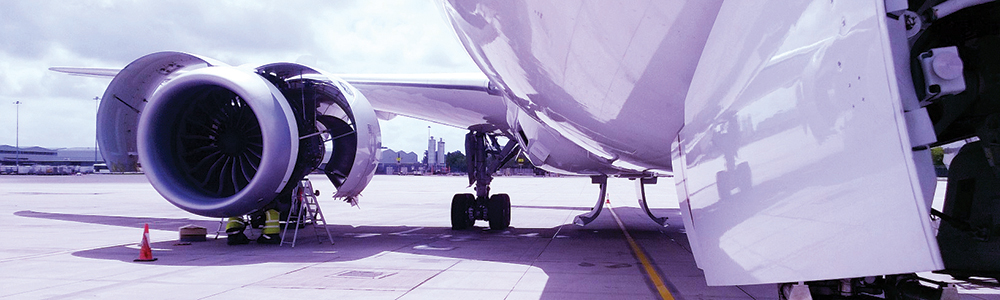
Magnetic Particle Inspection
Reveals surface and near-surface defects in ferromagnetic parts using magnetic fields and fine particles.
Find out more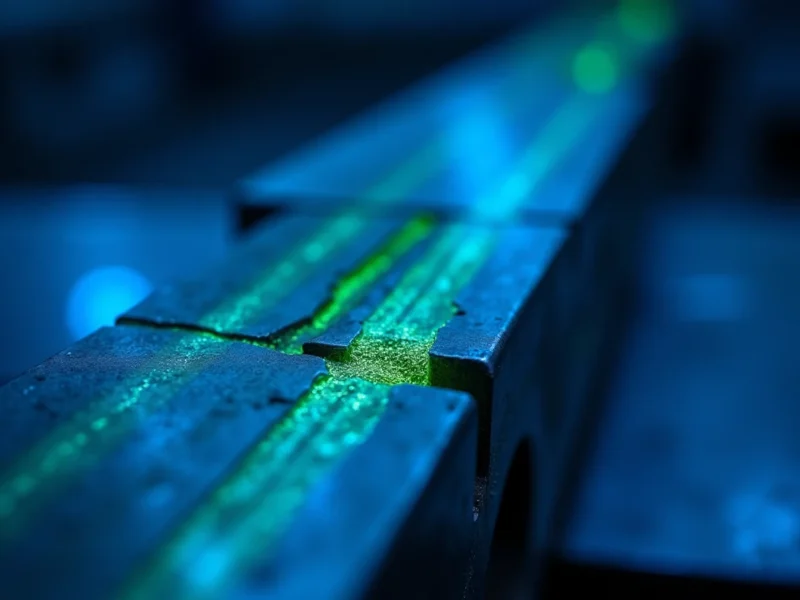
Dye Penetrant Testing
Highlights surface-breaking flaws on non-porous materials using a penetrating dye and developer.
Find out more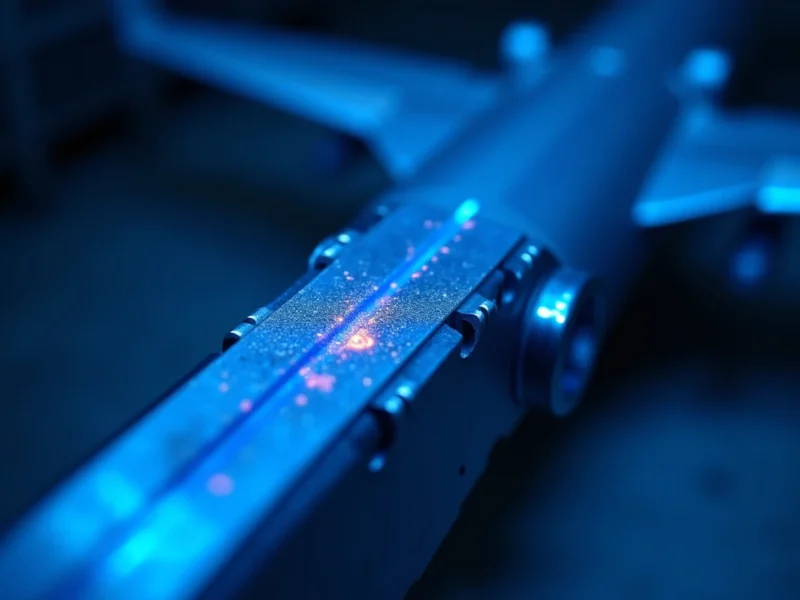
Ultrasonic Inspection
Uses high-frequency sound waves to detect internal flaws and measure material thickness.
Find out more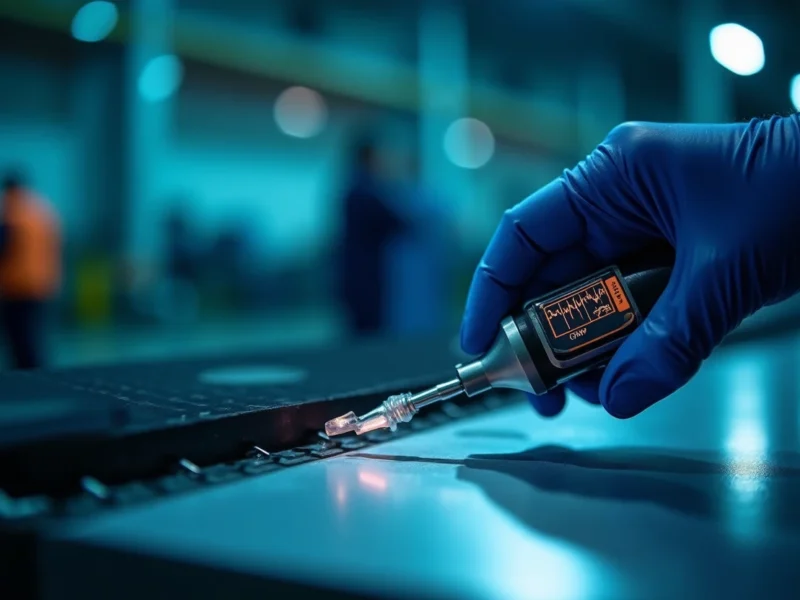
Where to next
Approvals
The approvals we hold for NDT inspection on all aircraft types, materials and structures.
Find out moreServices
The full range of non-destructive testing methods we carry out, in the laboratory and on site.
Find out moreIndustries
The sectors we test for, from aerospace to petro-chemical and industrial.
Find out moreContact
Speak to the sales team, or reach any of our offices 24 hours a day for AOG support.
Find out more
Ready when you are
Talk to our inspection team
Tell us what needs inspecting and we will tell you how we would approach it, what it will cost and how quickly we can be there. No obligation, and you speak to an engineer rather than a call centre.
Aircraft on ground? The AOG line is answered around the clock, every day of the year.